Sagar Bhogaraju The importance of molecular tags for protein activity
Head of the “Structural biology of ubiquitin signalling” group, European Molecular Biology Laboratory (EMBL), Grenoble
- 2025 • Impulscience
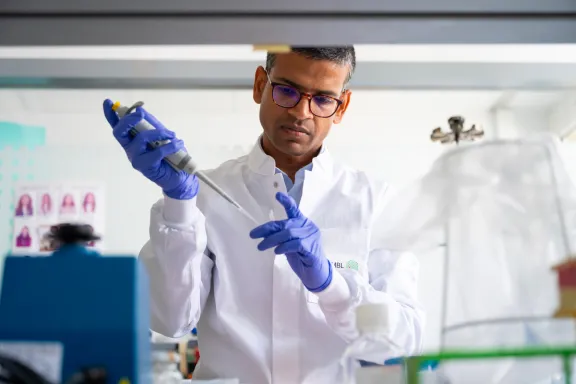
Proteins are at the heart of all our cells' activities. To fulfil their multiple functions, they can be chemically modified, in particular by the addition of molecular “tags” such as ubiquitin. Using an innovative method, Sagar Bhogaraju seeks to decode the world of ubiquitinated proteins by studying how and why ubiquitin is added to them, both in normal and pathological contexts, such as cancer.
Molecular “tags” on proteins
The diversity of proteins allows them to participate in all key events of cellular life, such as metabolism, structural maintenance, and communication within and outside the cell. To do this, their structure can adapt, in particular through the addition of chemical modifications that occur after their production.
Among these modifications, the addition of molecular “labels”, such as ubiquitin, plays a key role. Ubiquitin is a small protein that can be attached to other proteins by proteins called ligases. This addition can then direct the fate and function of the protein: it can serve as a signal for cellular communication or instruct the cell to destroy the modified protein.
Healthy or cancerous: the importance of ubiquitin
Ubiquitin and the ligases that attach it to proteins are essential for cells to function properly. Sagar Bhogaraju is interested in one type of ligase in particular, RING ubiquitin ligases, whose deregulation is involved in the development of certain cancers. Factors called MAGE, which are present in large quantities in cancer cells, interact with RING ligases and modify their activity, altering the ubiquitination and degradation of proteins that are key to the development of cancer.
Despite their importance for cell signalling and the therapeutic potential of the ubiquitination system, very few of the target proteins of RING ligases are known to date. The difficulty lies in the fact that the activity of a ubiquitin ligase in attaching ubiquitin to a target protein is extremely rapid and reversible, complicating the task of researchers attempting to capture their targets.
The ubiquitination atlas for developing new therapies
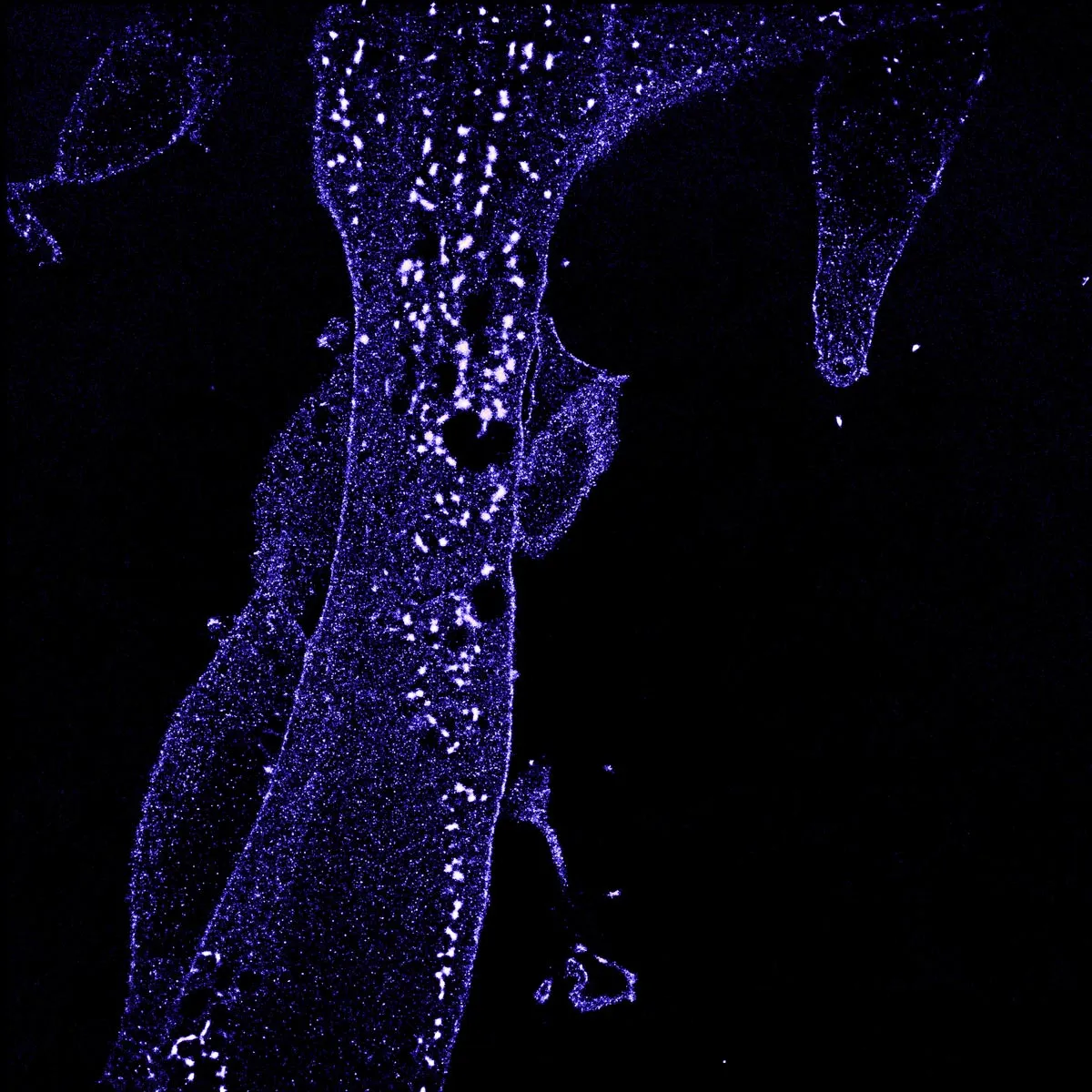
Thanks to Impulscience, Sagar Bhogaraju and his team will be able to explore the world of RING ligases, from their regulation by MAGE proteins to the discovery of their targets. To overcome technical obstacles, they recently developed a new experimental method called Ub-POD, which allows proteins to be “labelled” at the precise moment they are ubiquitinated, directly in cells.
The first stage of this project will focus on identifying target proteins of 21 RING ligases involved in diseases such as cancer and certain brain development disorders. The team will also focus on the regulation of RING ligase activity in the context of cancer, and will use the Ub-POD method to identify ubiquitinated proteins in the brain in the context of cocaine addiction. This project will provide a better understanding of the mechanisms involved in ubiquitination and pave the way for new therapeutic approaches targeting this fundamental system.
-
© Sagar Bhogaraju lab / EMBL -

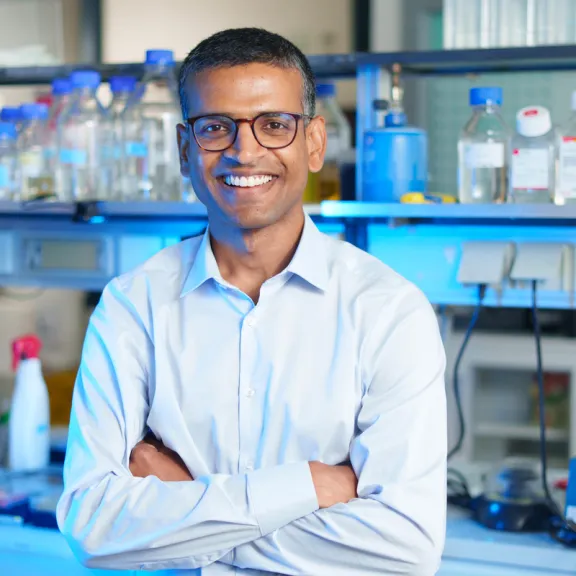
Sagar Bhogaraju in his laboratory at EMBL.
© Alexandre Darmon / Art in Research -
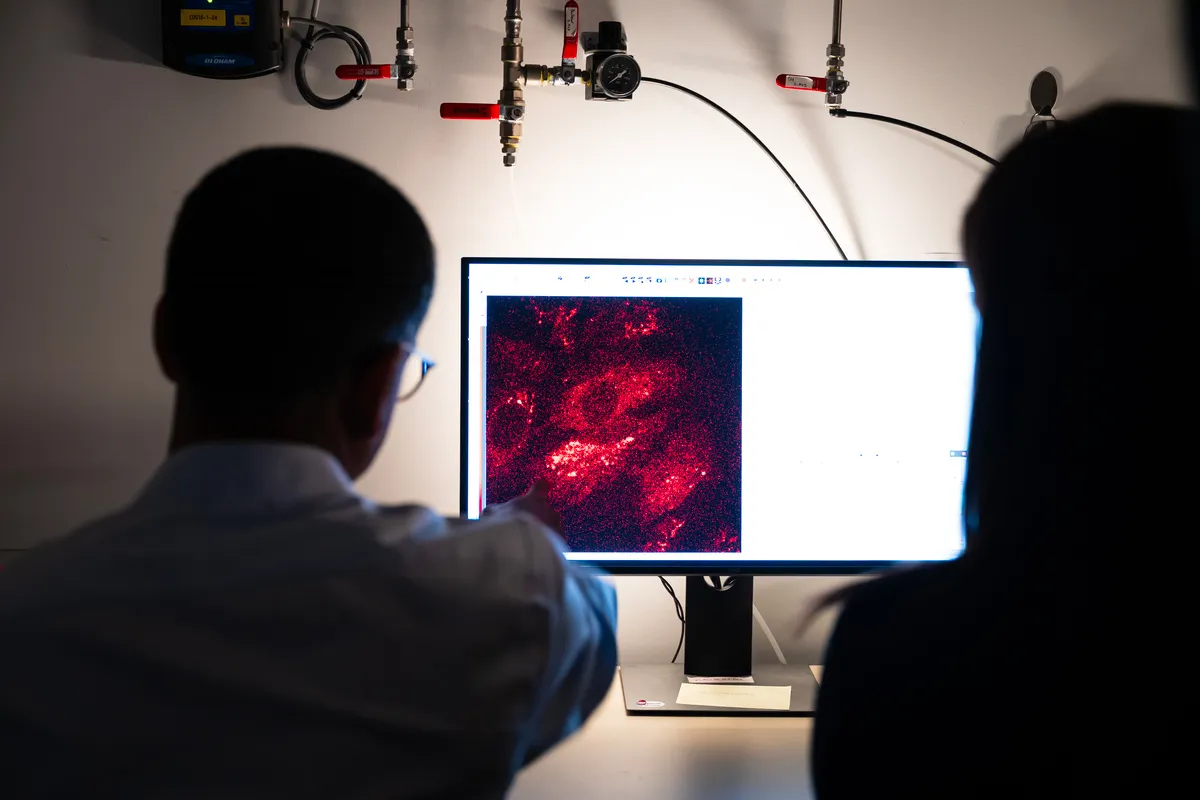
Sagar Bhogaraju in his laboratory at EMBL.
© Alexandre Darmon / Art in Research -
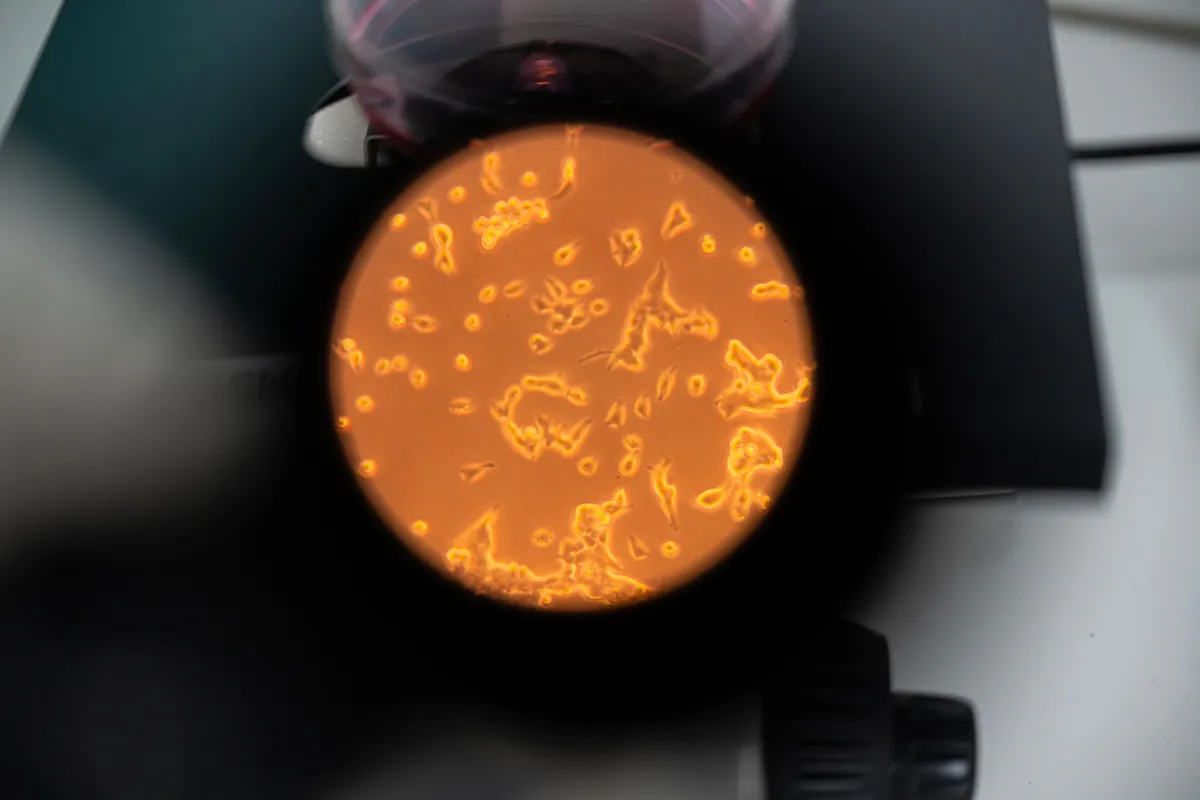
Sagar Bhogaraju's laboratory at EMBL.
© Alexandre Darmon / Art in Research -
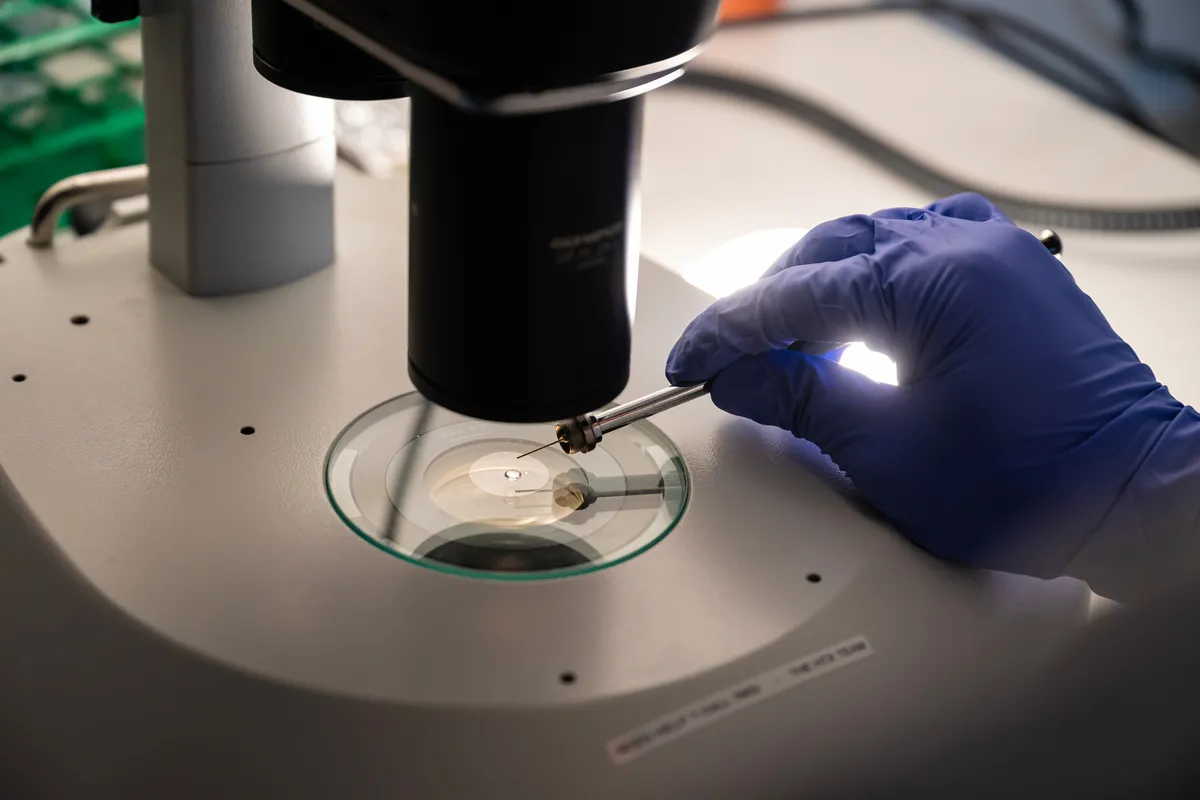
Sagar Bhogaraju's laboratory at EMBL.
© Alexandre Darmon / Art in Research -
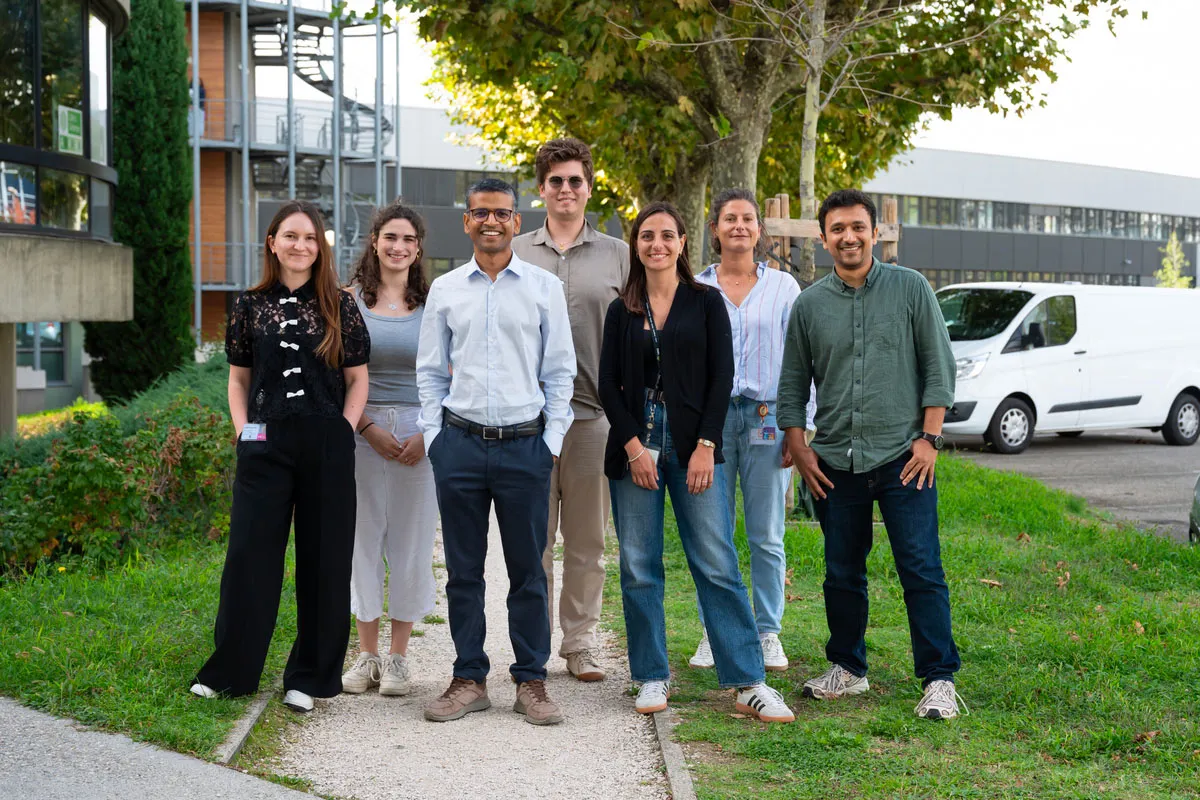
Sagar Bhogaraju's team.
© Alexandre Darmon / Art in Research
Sagar Bhogaraju in a few words
Sagar Bhogaraju is a biochemist specialised in the study of protein structure and regulation. After completing a master's degree at the Indian Institute of Technology (Kanpur), he joined the Max Planck Institute of Biochemistry in Munich (Germany), where he completed a PhD in structural biology, focusing on the study of the cytoskeleton, the molecular network that ensures the integrity and shape of cells. He then pursued his postdoctoral research at Goethe University in Frankfurt (Germany), where he studied ubiquitination mechanisms in bacteria. He joined EMBL in Grenoble in 2018 as a group leader. Since then, he has continued his work on ubiquitination, extending it to more complex organisms and exploring new experimental approaches.
Worth reading
Gergő Gógl
Raphaël Ceccaldi
Filipe Pinto Teixeira