Camille Berthelot The enigma of uterine tissue evolution
Inserm researcher, head of the “Comparative Functional Genomics” group at the Institut Pasteur, Paris
- 2025 • Impulscience
In women, the uterine lining undergoes cyclical changes under the influence of sex hormones in preparation for a possible pregnancy: it differentiates, breaks down, and then regenerates. Camille Berthelot's team is seeking to better understand these processes, which are essential for reproduction, by adopting a unique approach: comparing cellular and genetic mechanisms across different animal species.
The uterus: an organ unlike any other
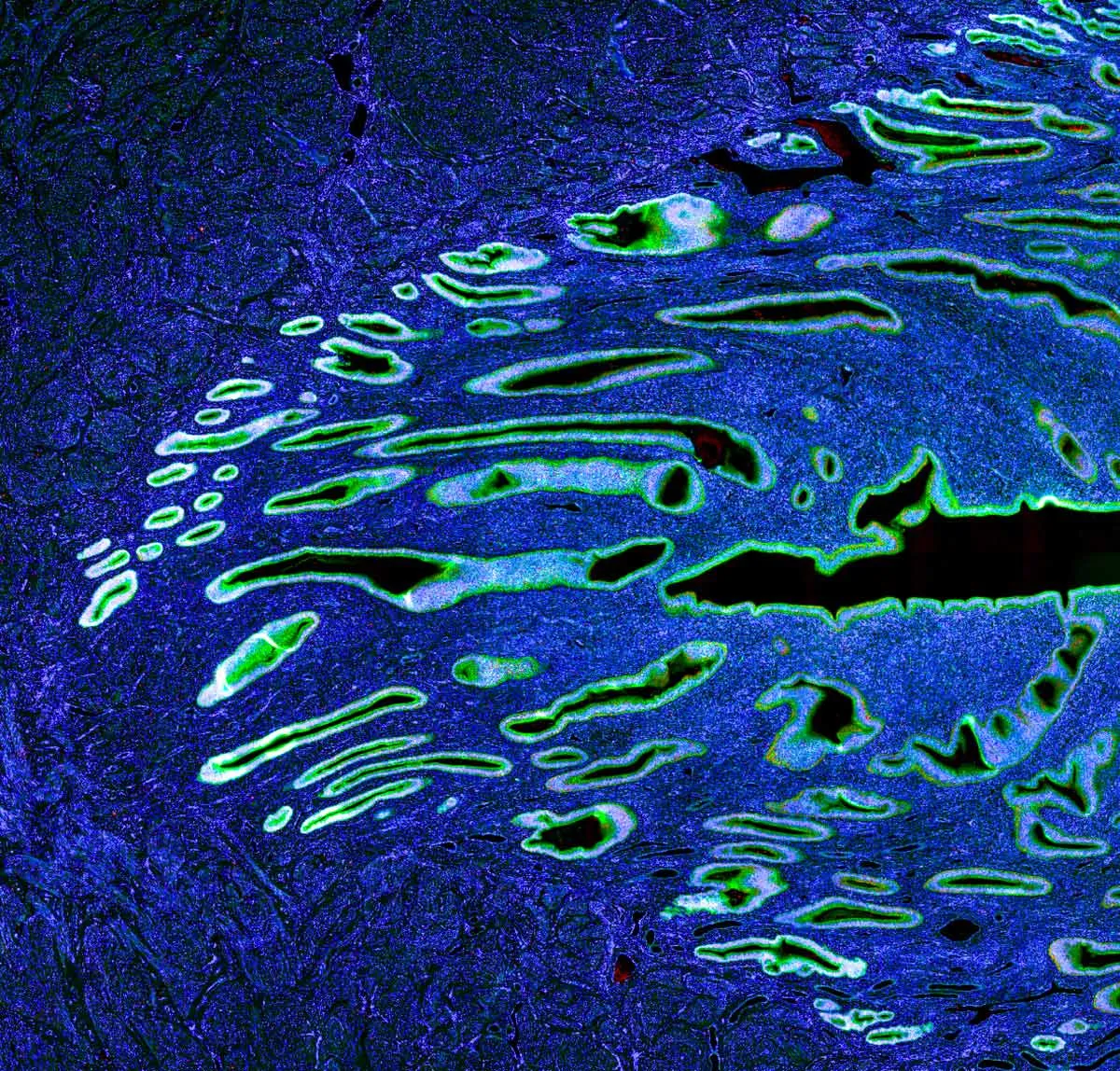
Among our organs, the uterus stands out for its exceptional ability to regenerate its tissues on a cyclical basis. This process is based on two key events: the differentiation of uterine cells into decidua – the maternal part of the placenta (an organ essential for fetal development, most of which is of fetal origin), and menstruation – the elimination of these cells when fertilization has not occurred. This complex cycle is central to fertility.
Each stage of the cycle involves the careful orchestration of genetic and cellular mechanisms that are sensitive to a multitude of internal and environmental signals, particularly hormones. When these transitions are disrupted, they can lead to fertility problems or conditions such as endometriosis. However, despite its central role in reproduction and women's health, the mechanisms governing uterine regeneration remain largely unknown.
Changing perspective: the power of inter-species comparison
The differences observed between mammalian species offer a unique opportunity to unravel the mysteries of uterine regeneration. In humans, for example, uterine cells that are potentially destined to participate in the formation of the placenta, the decidua, are eliminated during menstruation. In contrast, in other mammals, these cells are reabsorbed. These observations indicate that menstruation, an energy and time-consuming change in strategy, has emerged recently in evolutionary history.
Why such a transformation in a process so fundamental to the survival of the species? What are the genetic and cellular mechanisms that orchestrate uterine regeneration in mammals?
Impulscience: searching for lost mechanisms
With support from Impulscience, Camille Berthelot and her team will explore this evolutionary paradox by shedding light on the genetic and molecular principles of adaptations that occurred in the uterus and enable fertility to be maintained throughout the reproductive life.
First, they will analyze the genetic profiles of uterine cells at different stages of the cycle, decidual formation and menstruation, to identify their specific cellular states. This study will be conducted on several species with distinct uterine regeneration strategies in order to reveal the potential evolutionary advantages of these differences. Next, the team will look at the influence of the hormonal environment on these cellular transitions. Finally, all of this data will be integrated into a comprehensive genomic analysis covering more than 200 mammalian species to construct an evolutionary atlas of the factors that have shaped uterine regeneration strategies. This work could pave the way for new therapeutic approaches to treat infertility and other pathologies of the female reproductive system.
-
© Camille Berthelot lab / Institut Pasteur -
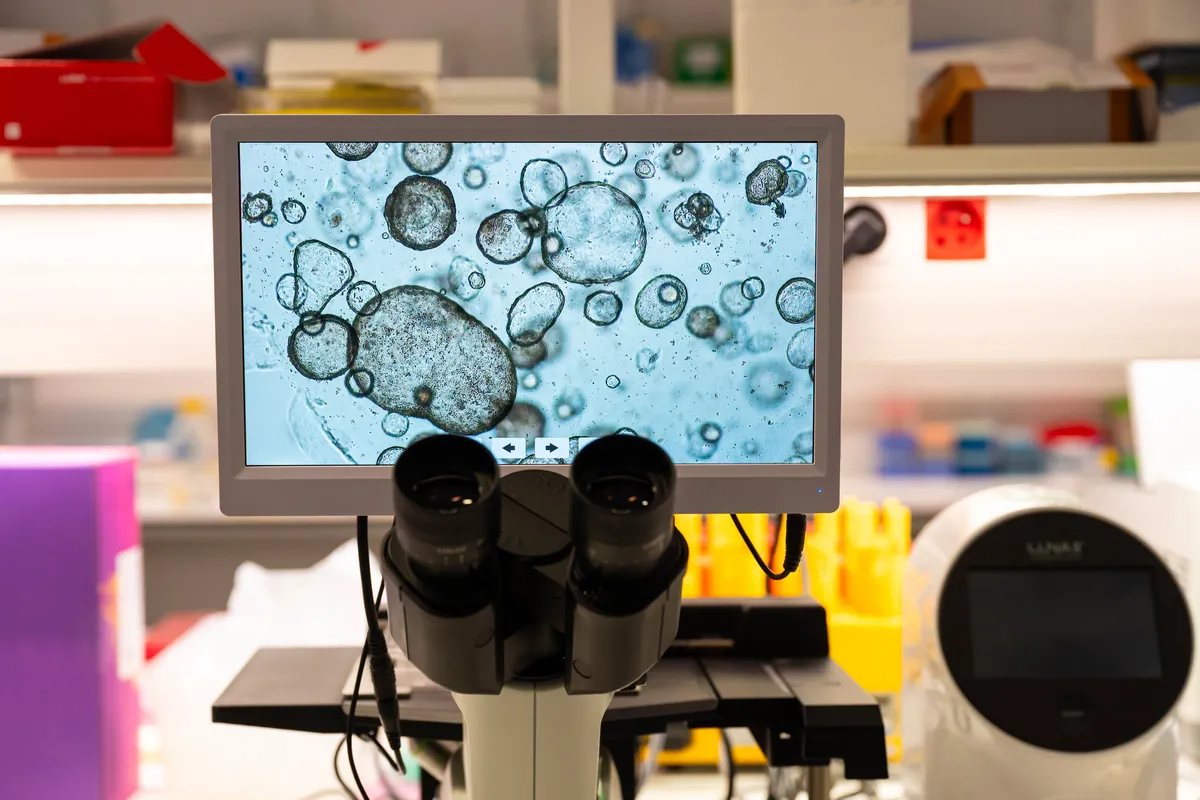
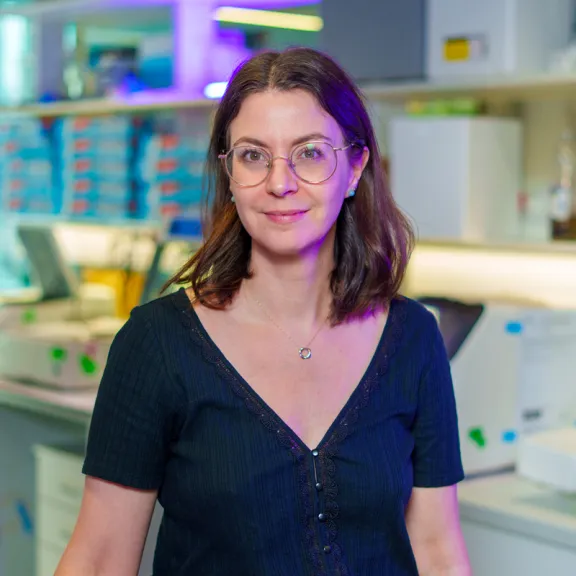
Camille Berthelot's laboratory at the Institut Pasteur.
© Alexandre Darmon / Art in Research -
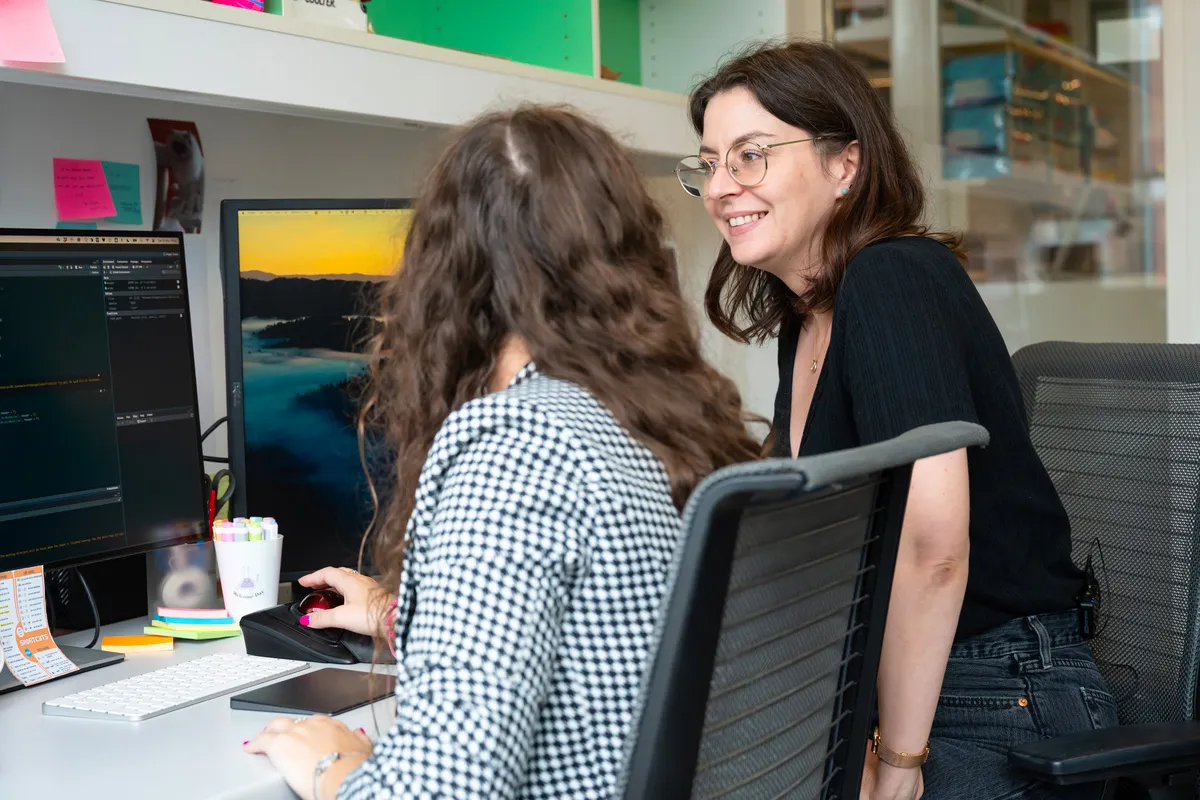
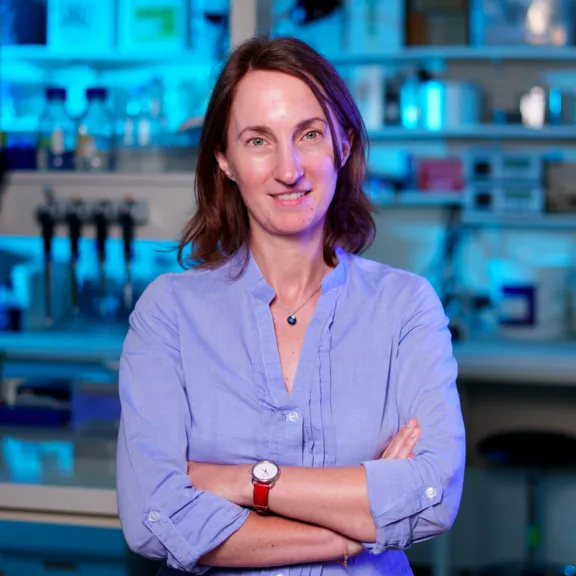
Camille Berthelot in her laboratory at the Institut Pasteur.
© Alexandre Darmon / Art in Research -
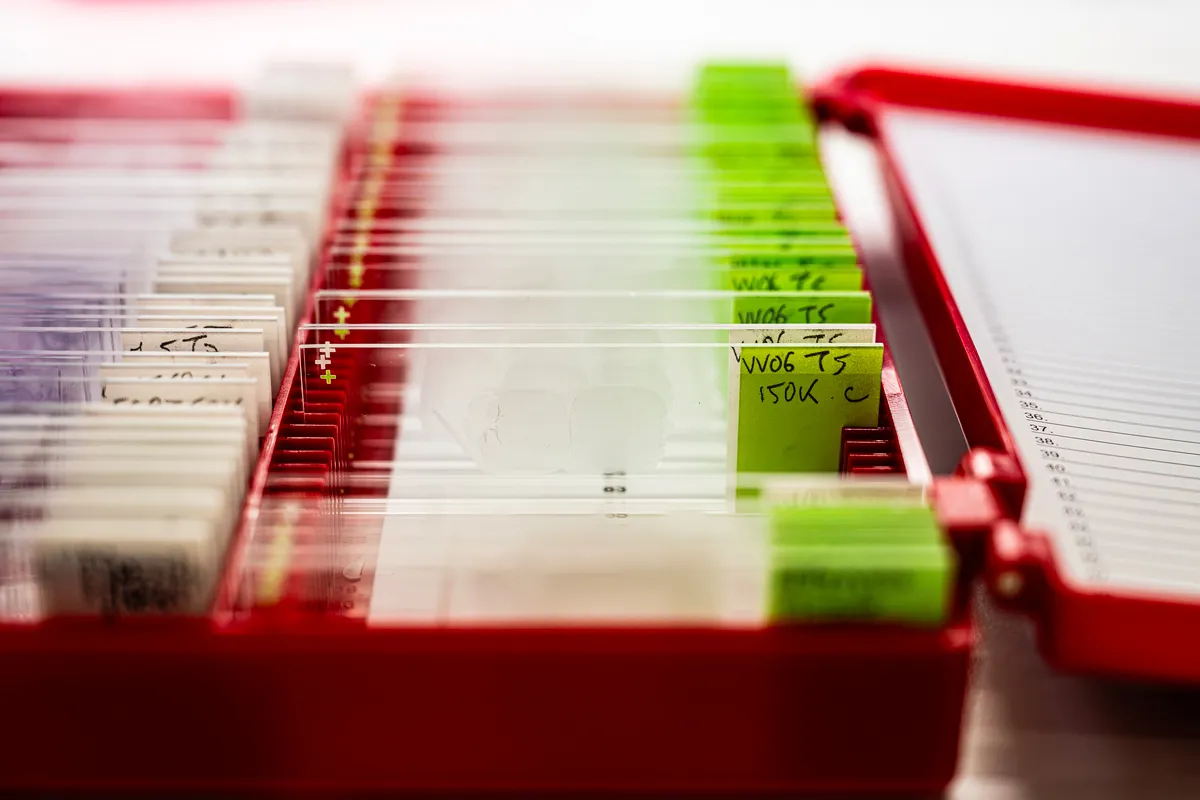
Camille Berthelot's laboratory at the Institut Pasteur.
© Alexandre Darmon / Art in Research -
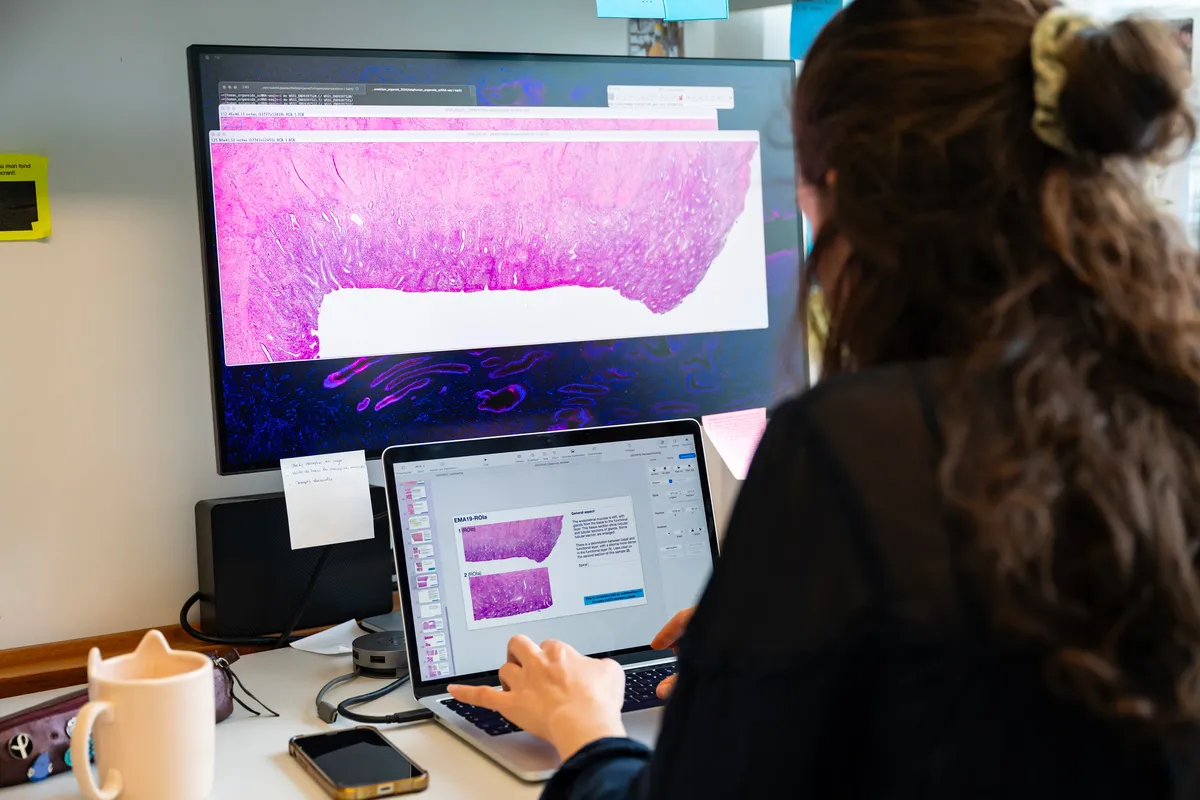
Camille Berthelot's laboratory at the Institut Pasteur.
© Alexandre Darmon / Art in Research
Camille Berthelot in a few words
Camille Berthelot is a researcher in evolutionary genomics and has been leading the “Comparative Functional Genomics” group at the Institut Pasteur in Paris since 2021. Trained at the Ecole Normale Supérieure in Lyon and then in Paris, she conducted postdoctoral research at EMBL-EBI in Cambridge (United Kingdom) before joining Inserm.
Her work explores the evolution of genomes in vertebrates, with a particular interest in the evolutionary mechanisms that allow new advantageous characteristics to emerge. A new area of her research focuses on the evolution of mechanisms related to menstruation and pathologies such as endometriosis.
Worth reading
Sophie Polo
Sagar Bhogaraju
Gergő Gógl