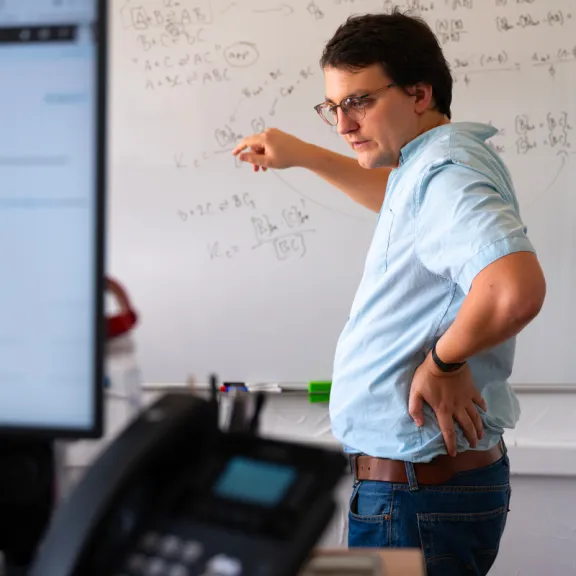
Filipe Pinto Teixeira Neural networks, instructions for use
Filipe Pinto Teixeira, CNRS researcher, head of the “Laboratory for the study of neural circuit development” at Center for Integrative Biology, Toulouse
- 2019 • ATIP-Avenir Program
- 2025 • Impulscience
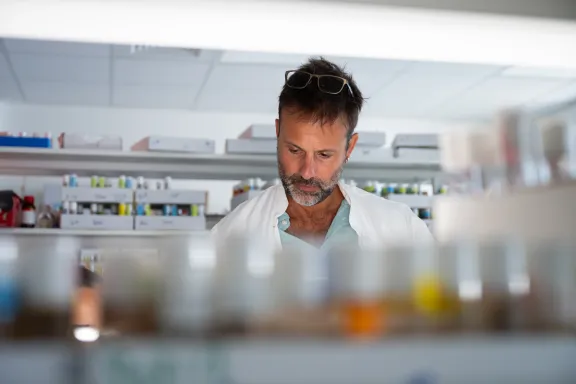
The formation of neural circuits during brain development is a finely orchestrated process, where neurons need to find the right partner at the right time and in the right place. By studying the formation of the motion detection circuit in the Drosophila fly, Filipe Pinto Teixeira seeks to decipher the developmental program that enables the coordination of this process, using advanced microscopy techniques.
Understanding how the brain builds
The human brain – and indeed any brain – is an astonishing network of billions of interconnected nerve cells, called neurons. Neurons form circuits that allow us to see, move, think, and feel. But how do neural circuits come together during development? How do neurons find the right partners, connect in precisely the right way, and maintain these connections throughout life?
Filipe Pinto Teixeira’s research seeks to answer these questions by studying a simple brain – that of the fruit fly Drosophila melanogaster. Despite its small size, the fly’s brain is composed of well-organized circuits that develop and function in ways similar to those of more complex animals, making it a powerful system for uncovering fundamental principles of brain wiring.
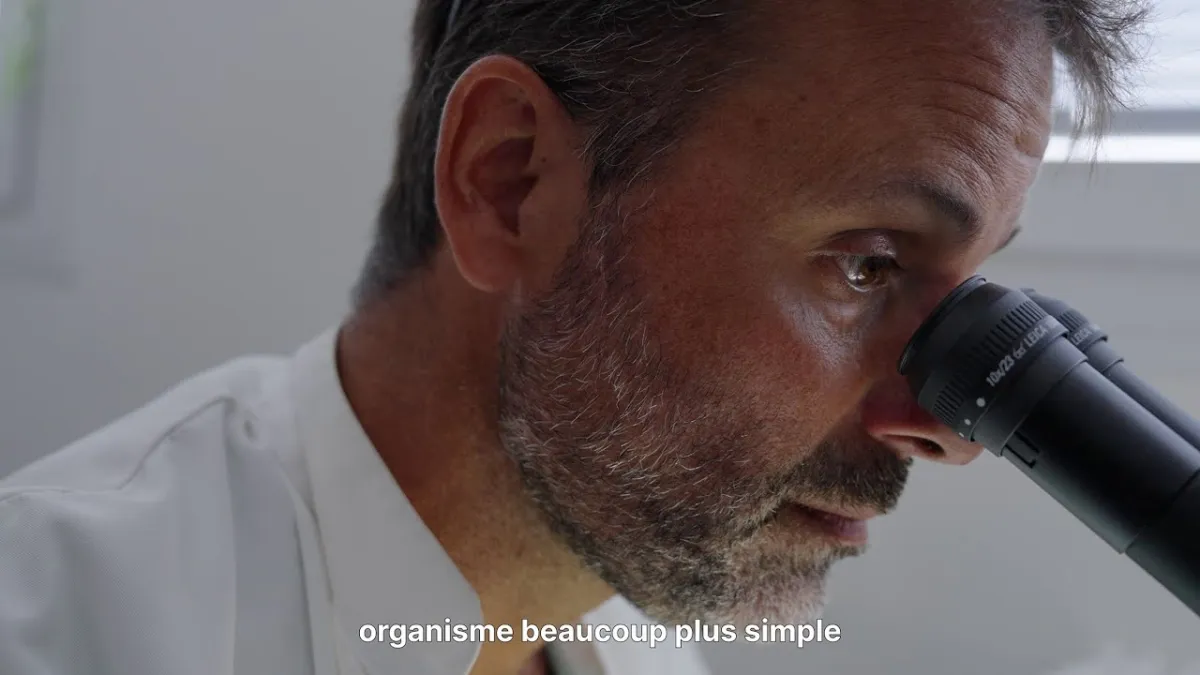
Communication between neurons lies at the heart of circuits
Neurons communicate with each other at contact points called synapses: one neuron releases chemical messengers – called neurotransmitters – that are detected by specialized receptors on the partner neuron. For this communication to work properly, the transmitting neuron must produce the right neurotransmitter, and its partner must have the corresponding receptor.
During brain development, billions of neurons must not only find the correct partners but also coordinate a series of cellular, molecular, and gene expression mechanisms to form precise circuits. This includes orchestrating how and where neurons reach each other, and synaptic proteins are made and delivered to the correct synapse – all in the right order and at the right time.
Watching neural circuits form in real time
Filipe Pinto Teixeira’s team focuses on T4 neurons, responsible for detecting motion in the fly’s visual system. These neurons receive inputs from different partners, each using distinct neurotransmitters, and connecting to specific regions within the same T4 cell – creating a finely tuned subcellular motion detection circuit. With support from Impulscience, his team seeks to reveal how these precise connections form. Using advanced live imaging microscopy, they will watch neurons in the developing fly brain as they first make contact, communicate, and build synapses in real time.
Their project aims to answer three key questions: :
- How do different neurons coordinate to form specific synapses?
- Which molecules mediate these interactions and sustain synapses?
- How are synaptic proteins, including neurotransmitter receptors, produced and delivered to the right synapses in synchronization with circuit assembly?
Overall, this research project seeks to reveal the coordinated cellular, molecular, and genetic mechanisms that ensure neural circuits are correctly wired and maintained.
-
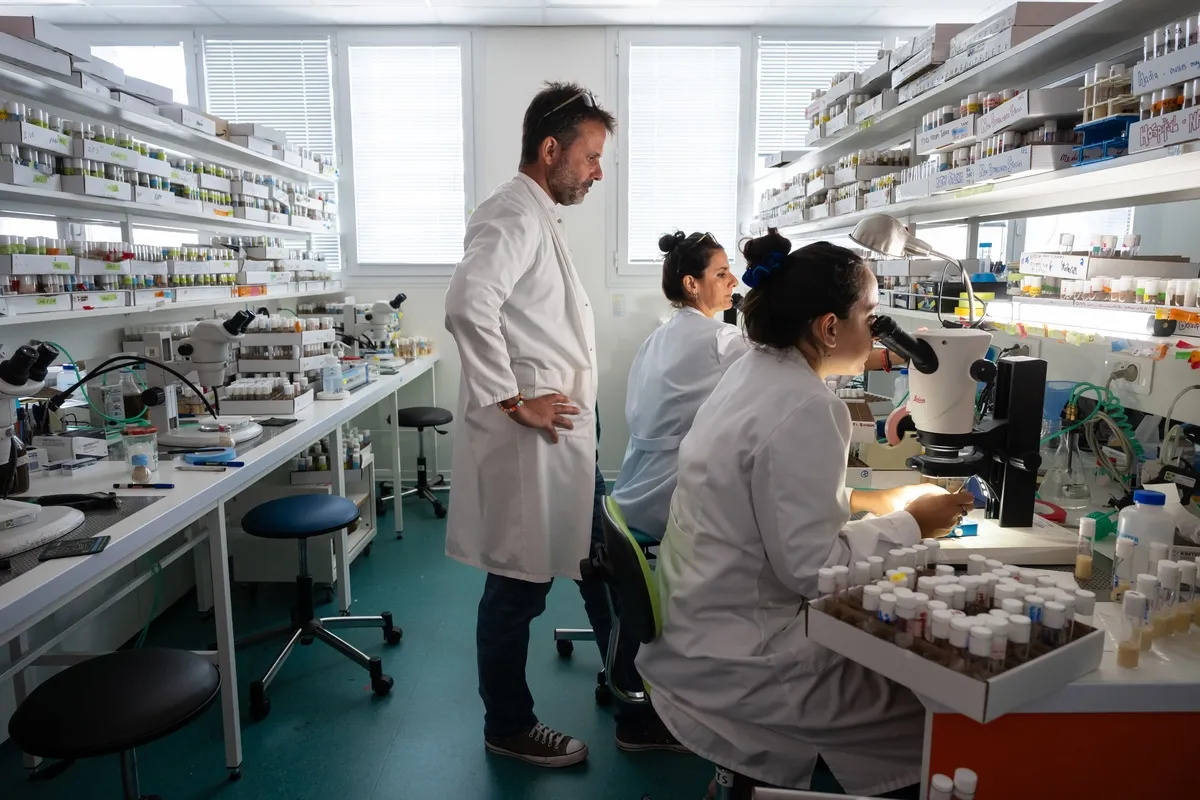
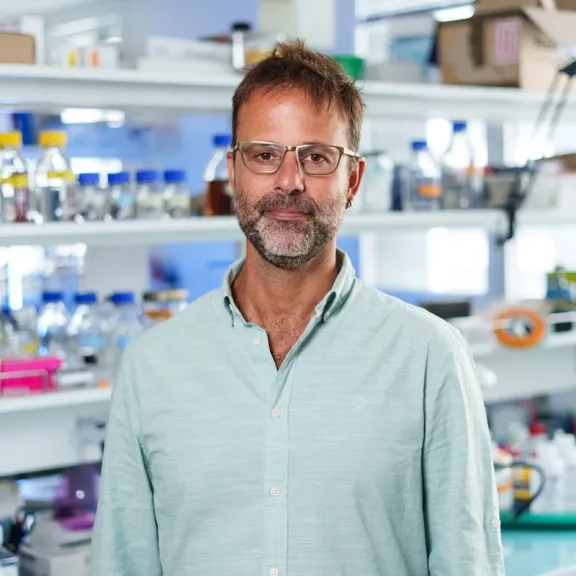
Filipe Pinto Teixeira and his team.
© Alexandre Darmon/Art in Research pour la Fondation Bettencourt Schueller -
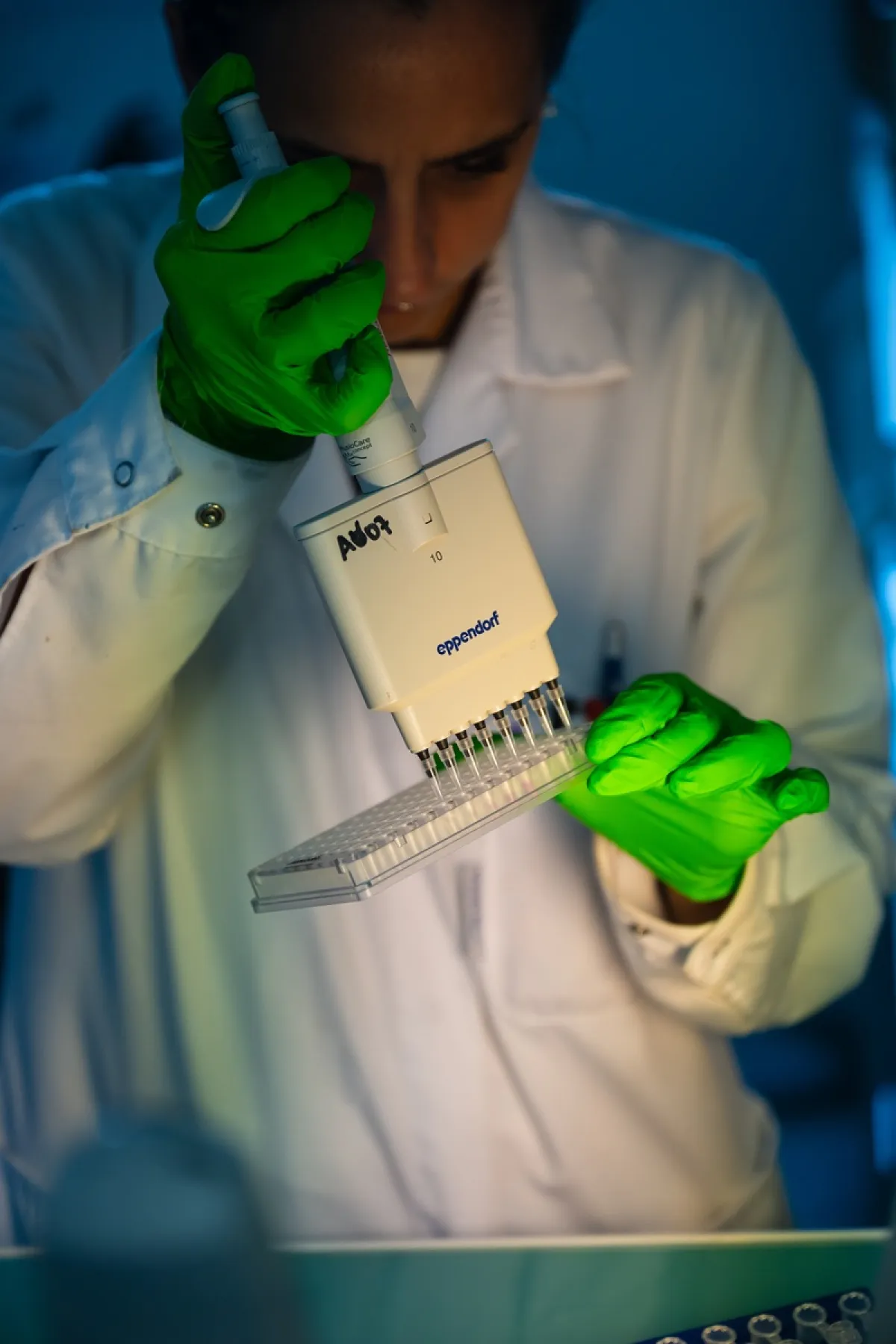
Filipe Pinto Teixeira's laboratory.
© Alexandre Darmon/Art in Research pour la Fondation Bettencourt Schueller -
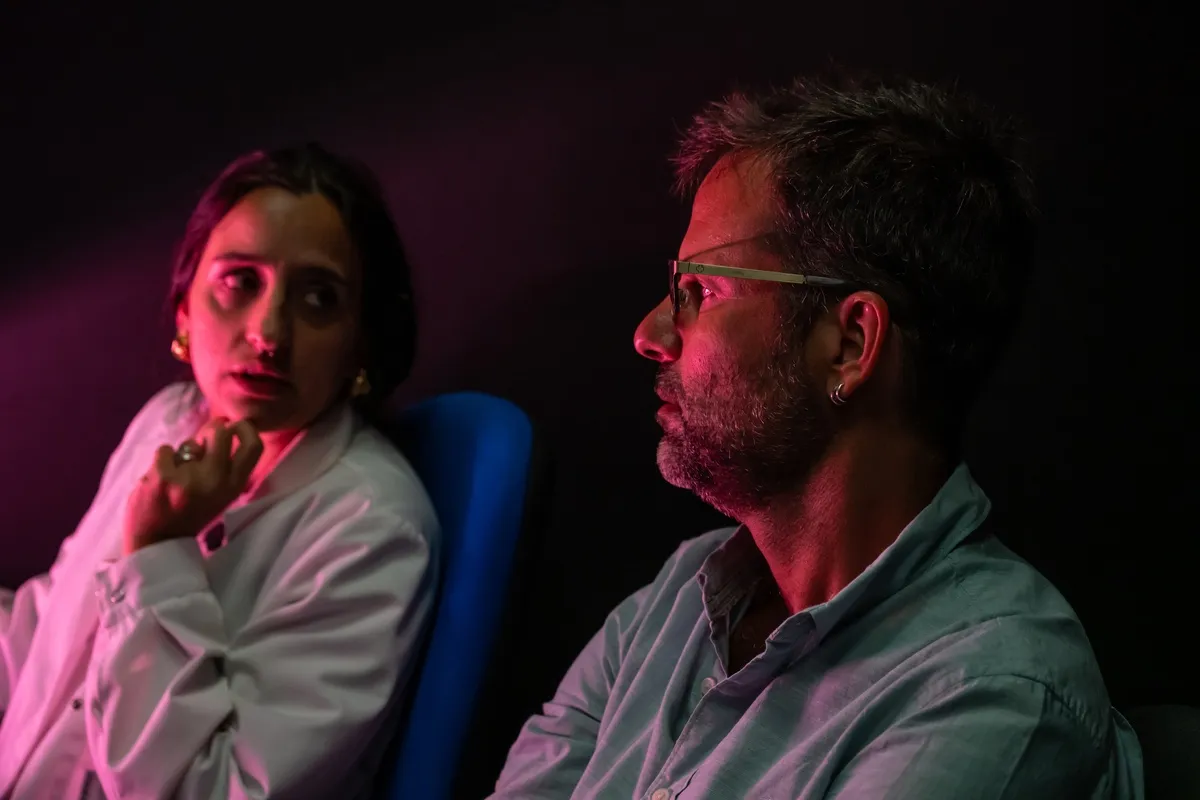
Filipe Pinto Teixeira in his laboratory.
© Alexandre Darmon/Art in Research pour la Fondation Bettencourt Schueller -
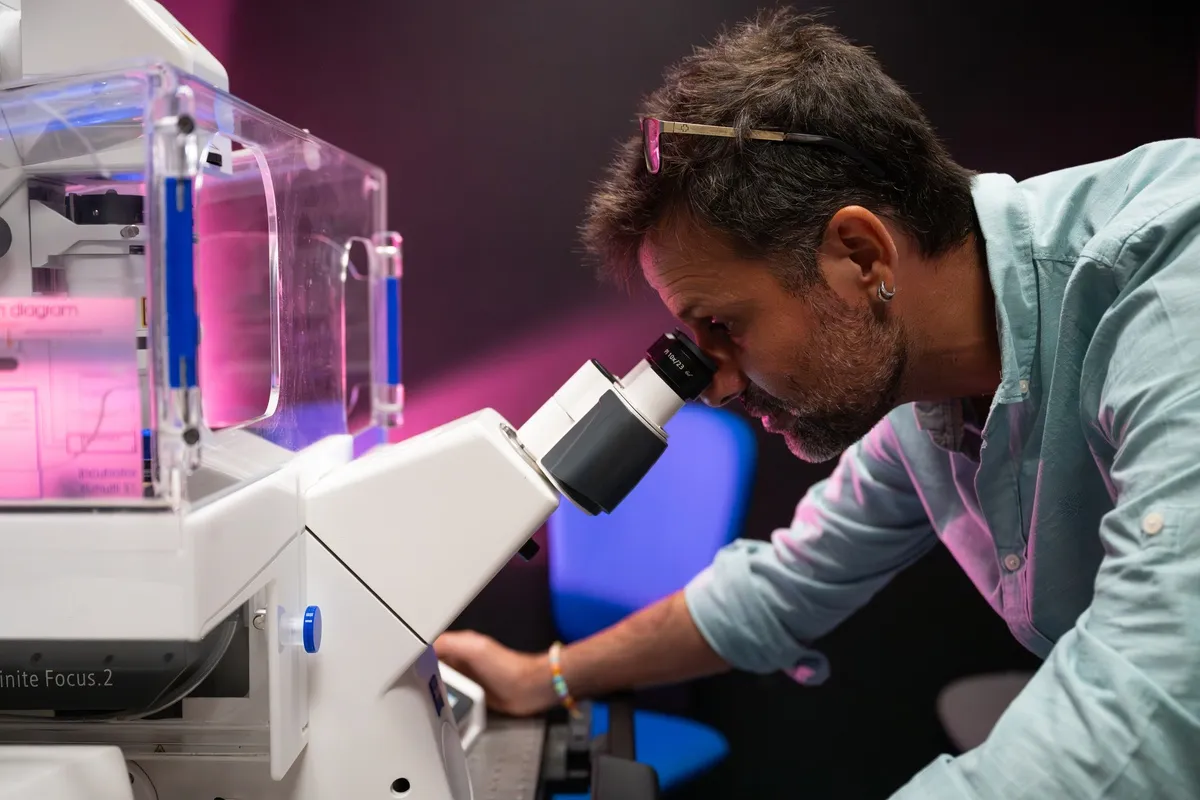
Filipe Pinto Teixeira in his laboratory.
© Alexandre Darmon/Art in Research pour la Fondation Bettencourt Schueller -
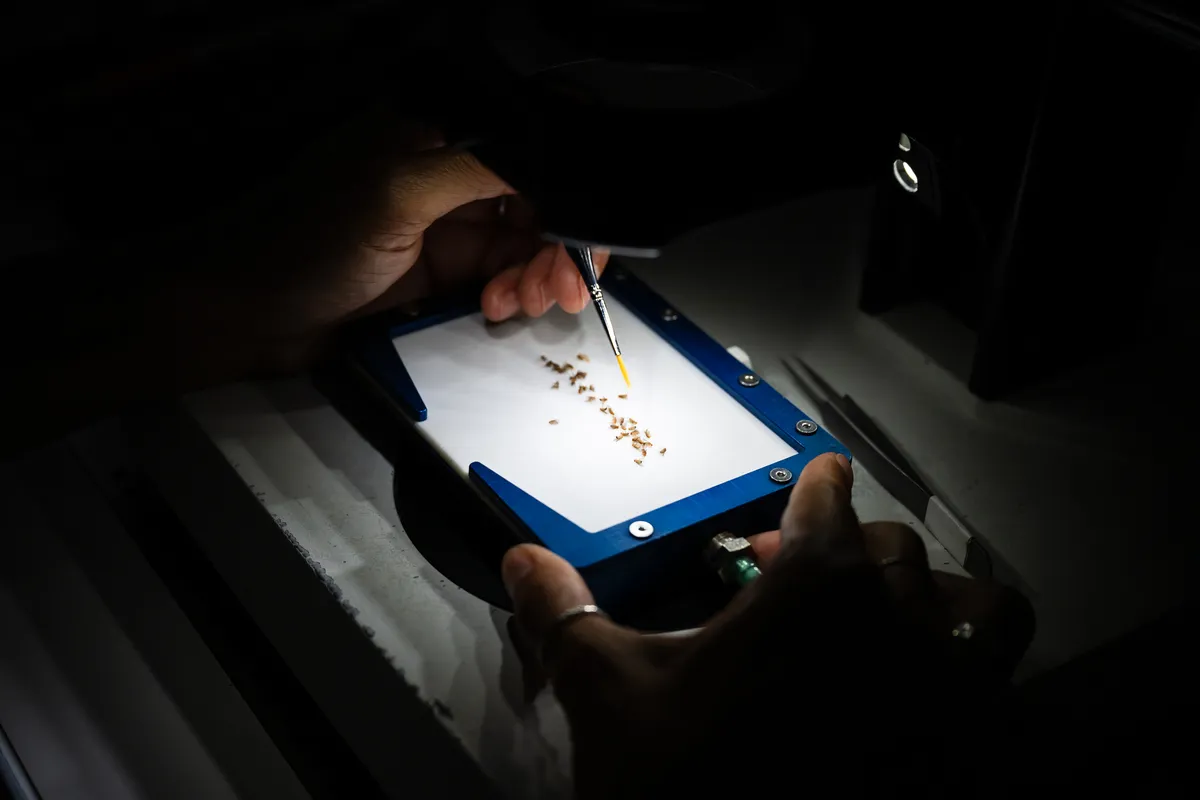
Filipe Pinto Teixeira's laboratory.
© Alexandre Darmon/Art in Research pour la Fondation Bettencourt Schueller
Filipe Pinto Teixeira in a few words
Originally from Portugal, Filipe Pinto Teixeira studied biology in Portugal and the Netherlands. Fascinated by how sensory systems develop and work, he pursued a PhD at the Centre for Genomic Regulation in Barcelona, where he explored how mechanosensory structures maintain lifelong function. He later joined the lab of Professor Claude Desplan at New York University (NYU), shifting focus to fly brain development and the generation of neuronal diversity. After several years at NYU in New York and in Abu Dhabi, he established his own research group at the Centre for Integrative Biology in Toulouse in 2020, supported by the ATIP-Avenir program.
ATIP-Avenir Program
Since 2005, the Fondation Bettencourt Schueller has been a partner of the Inserm Avenir program. In 2009, the Avenir program merged with the ATIP program by the CNRS (National Center for Scientific Reasearch). The Foundation has since supported the ATIP-Avenir program which promotes the return or settlement in France of very high-level young researchers, with a research project of exceptional quality, and wishing to create their own team.
All the award-winnersWorth reading
Camille Berthelot
Sagar Bhogaraju
Sophie Polo