Sora Yang When ribosomes get stuck in traffic
CNRS researcher, head of the “RNA-protein dynamics in gene expression” team at the Institute of Human Genetics (IGH) in Montpellier. Link to the team’s webpage
2026 • ATIP-Avenir Program
Ribosomes are the molecular machines that produce proteins in our cells. They move along messenger RNAs, like cars on a single road. When a ribosome slows down or stops, a traffic jam can form. Sora Yang and her team are seeking to understand how the cell detects these bottlenecks and decides when its control systems should intervene.
Proteins produced on an assembly line
Ribosomes are responsible for producing the proteins that cells need to function. To do this, they follow the instructions carried by messenger RNA, a copy of the information contained in DNA. When ribosomes bind to the messenger RNA, protein synthesis begins. They move one after the other along this molecule and, like workers on a production line, gradually link the amino acids together to produce proteins.
-
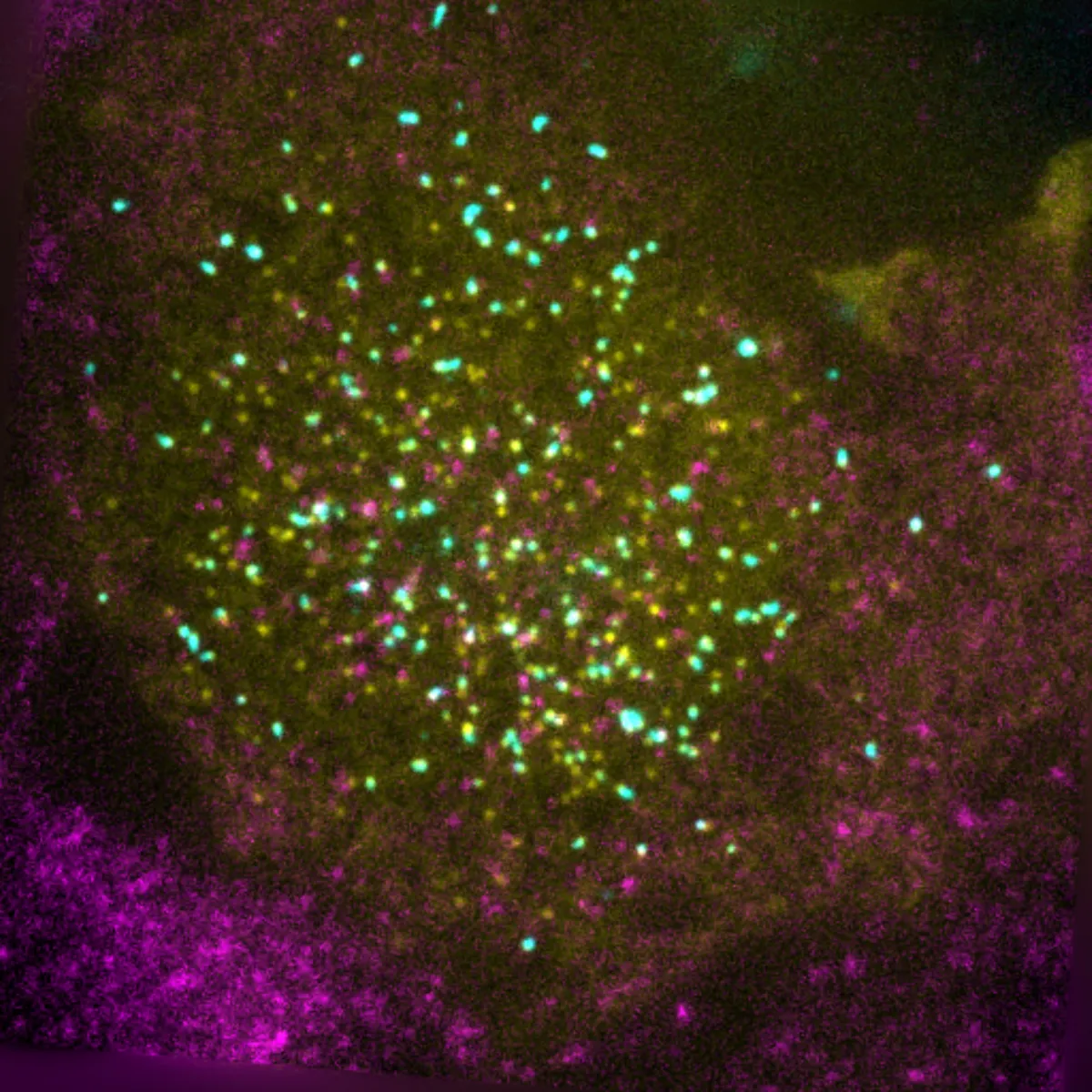
A microscopic image of the researcher’s work.
© Sora Yang, IGH-CNRS -
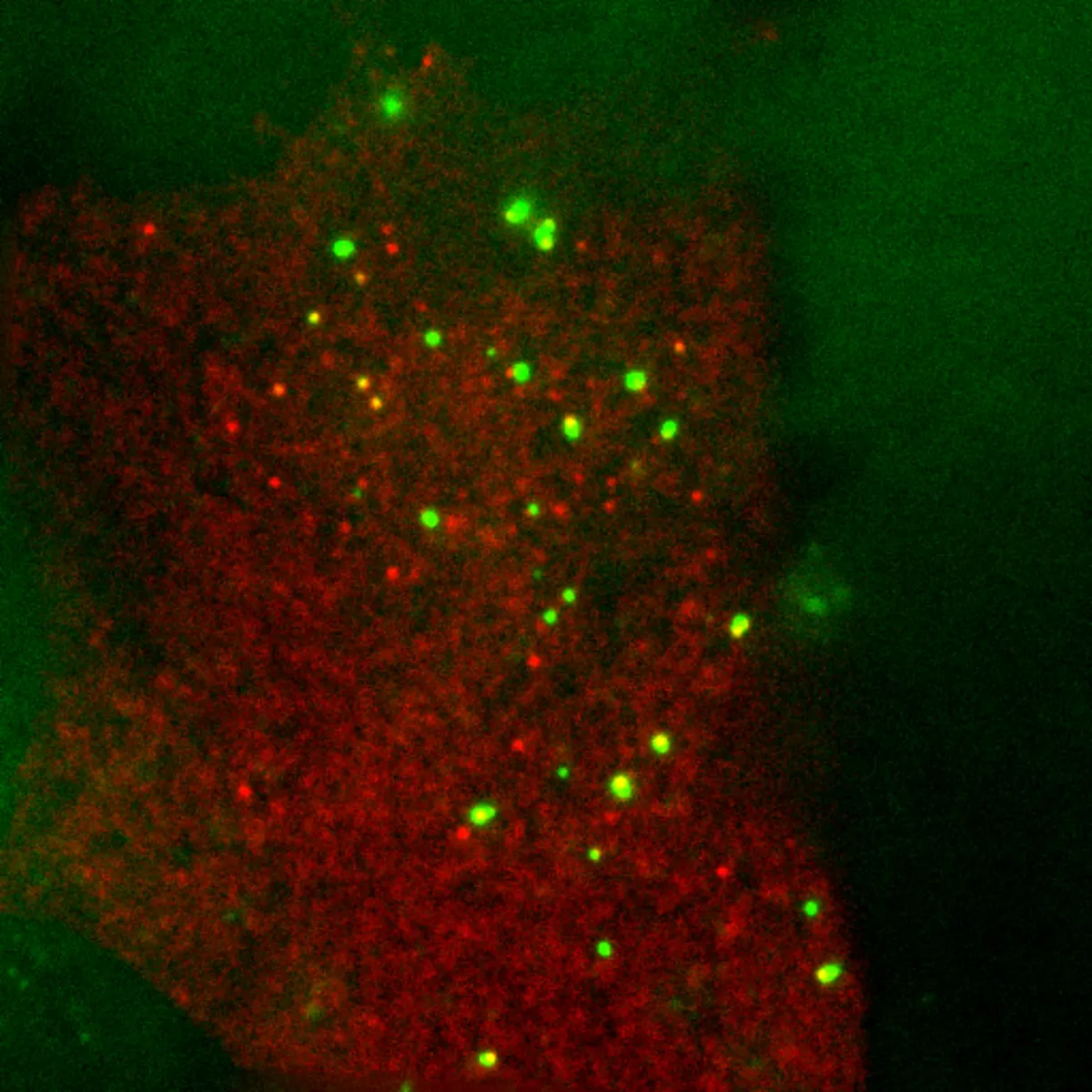
A microscopic image of the researcher’s work.
© Sora Yang, IGH-CNRS -
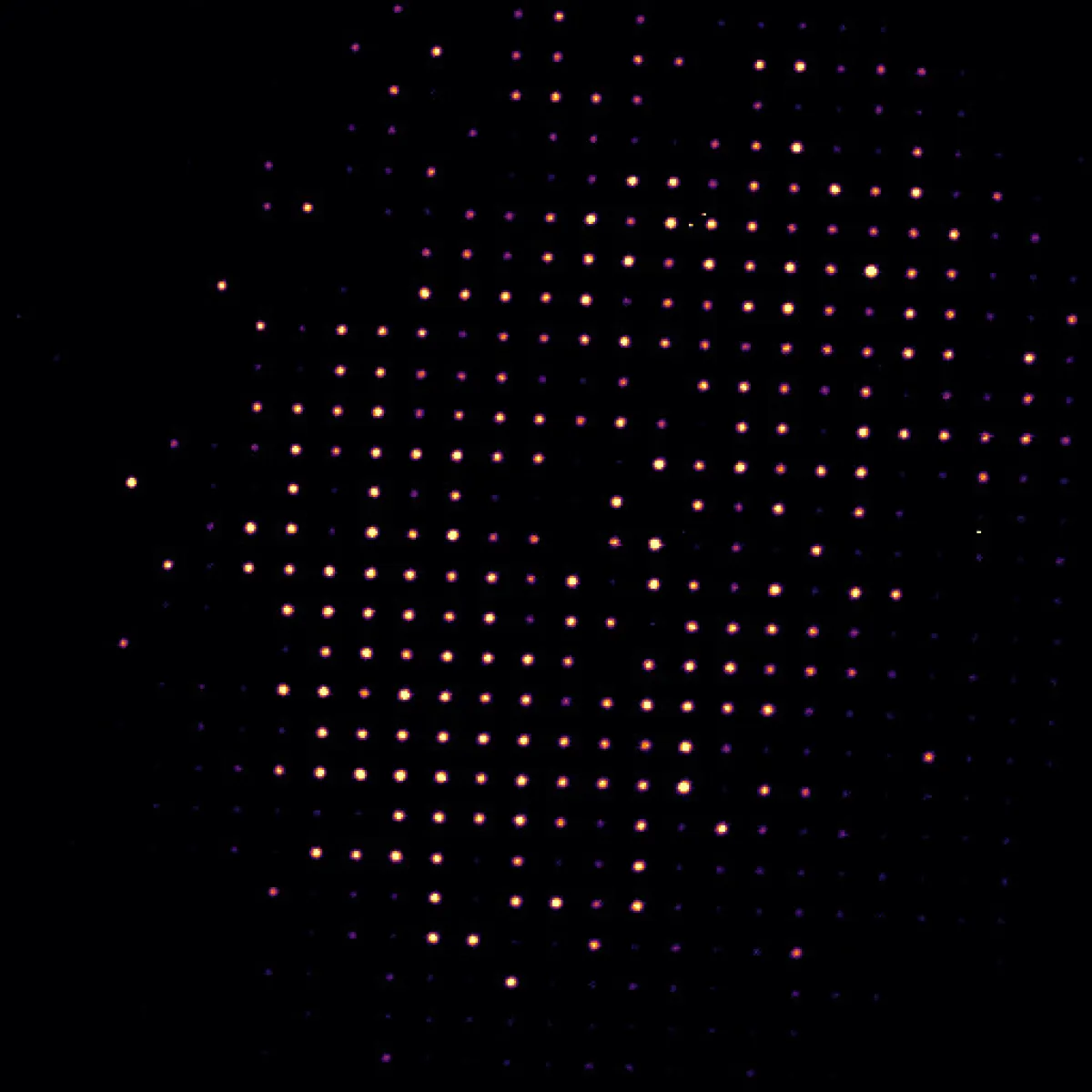
A microscopic image of the researcher’s work.
© Sora Yang, IGH-CNRS
When ribosomes collide
As on any production line, bottlenecks can occur. When a ribosome slows down or stops, those behind it may catch up with it and cause a molecular traffic jam. These collisions can trigger the cell’s control mechanisms, which recycle the ribosomes or remove the defective RNA. But not all collisions are synonymous with malfunction. In some cases, a ribosome can help the one ahead of it to resume its progress. How does the cell distinguish between simple collisions and more significant ones that require the activation of control systems?
Tracking collisions to identify warning signs
With the Fondation’s support, Sora Yang will track individual ribosomes within living cells using state-of-the-art microscopy techniques. This approach will enable her to observe their behaviour when protein production is disrupted, how the proteins responsible for detecting ribosomal collisions are mobilised, and the molecular signals that guide the cell’s response. By understanding how the cell balances these different signals and selects the most appropriate response, this research will lead to a better understanding of the mechanisms that ensure the quality of protein production. Ultimately, it could also shed light on certain processes involved in neurodegenerative diseases and some cancers, where these monitoring mechanisms become dysregulated.
Sora Yang in a few words
After completing a PhD in biophysics at Pohang University of Science and Technology (POSTECH) in South Korea, Sora Yang undertook postdoctoral research at the Hubrecht Institute in the Netherlands, where she developed imaging methods to track protein synthesis in living cells. A recipient of a Marie Skłodowska-Curie fellowship in 2021, she subsequently joined the Institute of Human Genetics in Montpellier, where she leads a team studying the interactions between RNA and proteins and their role in gene expression.
Worth reading
Mehdi Touat
Meryem Baghdadi
Albert Tsai