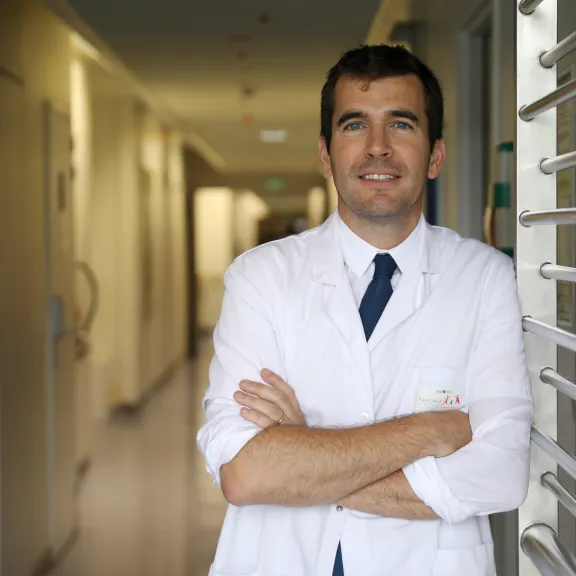
The Fondation Bettencourt Schueller and Inserm are continuing their policy of strengthening the links between fundamental research and clinical research: four "assistant clinical head" (CCA) positions with protected research time, called CCA-Inserm-Bettencourt, have been open every year since 2017.
A bond between fundamental and clinical research
Young doctors and pharmacists with a science thesis finish their internship with two doctorates in hand and are promised great theoretical and clinical contributions. Nevertheless, they will have to wait several years after the end of the internship to be recruited to a hospital-university post and to be able to combine care and scientific research. These few years of beating, during which the constraints of the hospital are too numerous, do not allow them to maintain a link with basic research.
Faced with this reality, the Fondation Bettencourt Schueller and Inserm initiated a program in 2017 called CCA Inserm Bettencourt. These university clinic manager-hospital assistant (CCA) contracts are a logical continuation of the dual medicine-science curricula. It was necessary to allow young doctors and pharmacists with a doctorate in science to begin their hospital-university career as soon as their internship was over.
A unique opportunity
A pioneering effort
This new program confirms that the Foundation's investment in the early training of physicians in research is bearing fruit. Better integrated into the hospital-university fabric, young double graduates acquire the experience and autonomy necessary for their medical practice and to lead a project and a scientific team. CCA Inserm Bettencourt's experience will give them the keys to gaining access, at the end of their clinic, to statutory university hospital positions. These positions will then allow them to continue to exercise their dual vocation.
If the CCA Inserm Bettencourt concerns a limited number of young doctors and pharmacists, this status should be emulated, like the School of Inserm Liliane Bettencourt. This very first school of medicine and science in France was first conceived with the idea of fighting against the progressive demedicalization of Inserm which, since the 1980s, had seen its proportion of doctors drop dizzily. However, the contiguity between clinic and research is essential to therapeutic progress: proximity to patients inspires, promotes and accelerates translational research, that which brings innovations from laboratories to the bedside of patients. The Inserm Bettencourt CCAs will take part in these fruitful exchanges while helping to deploy the network of French biomedical research of excellence.
Olivier Aubert
Olivier Aubert, nephrologist, Paris Cardiovascular Research Center
Olivier Aubert, a 2017 graduate of the Bettencourt Inserm CCA program, has been interested in kidney transplant translational research since his PhD. His goal is to achieve a better understanding of humoral rejection, i.e. the rejection of a transplant due to an attack by antibodies. His thesis results showed that the production of those antibodies during and after a transplant increases the risk of rejection.
Dr. Aubert is now interested in the determinants of transplant survival. That is why he performs transcriptomic studies and statistical analyses on large prospective and multicenter cohorts of kidney transplant patients. He identifies patients’ immunological profile to improve understanding of the specific causes of transplant loss and improve the diagnostic criteria of organ rejection.
Dr. Aubert wants to bring kidney transplants into the era of personalized medicine. The development of prognostic tools will allow him to predict individual decline in kidney function and prevent transplant failure. He is carrying out his project at the Paris Cardiovascular Research Center. His patients are in the Necker Hospital’s adult kidney transplant unit.
Romain Levy
Romain Levy, physician, immunologist, Imagine Institute
Doctor and immunologist Romain Levy was a graduate in the CCA-Inserm-Bettencourt program’s first class. After his residency, for his PhD he identified inherited genetic factors predisposing otherwise healthy individuals to serious infections by very common pathogens.
He is pursuing his research at the Imagine Institute for Genetic Diseases in Paris. His work focuses on discovering new inherited immune deficiencies that confer selective predisposition to a limited number, or even a single type of infectious agents. Analysis of genome sequencing data in patients showing increased susceptibility to severe and recurrent fungal infections of the skin and mucosa will allow genetic and molecular characterization of new mutations. Each newly characterized inherited immune deficiency provides key information about immune response mechanisms.
At the same time, Dr. Levy works as an immunologist in the immunology, hematology and rheumatology department at the Necker Children’s Hospital. He is in charge of children with inherited immune deficiencies.
Sarah Watson
Sarah Watson, oncologist, clinical researcher at the Curie Institute
Sarah Watson graduated from the Bettencourt Inserm CCA program in 2017. She has written major works on sarcomas, rare benign tumors whose heterogeneity complicates patient management.
She holds a PhD in medical oncology from the École Normale Supérieure and is currently working at the Curie Institute to analyze the genetic heritage and gene expression profile of patients' tumors. Her work will lead to new targeted therapies adapted to identified anomalies.
Sarcomas are also the focus of Dr. Watson's clinical work with patients in the Curie Institute’s medical oncology department. The hospital has many sarcoma patients for whom developing innovative therapeutic strategies is primordial.
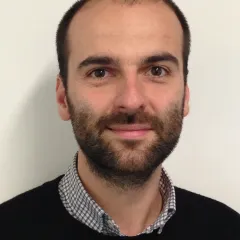
Vincent Planche
Vincent Planche, neurologist, Institute of Neurodegenerative Diseases
Liliane Bettencourt Inserm School graduate Vincent Planche wrote his PhD on early memory disorders in multiple sclerosis. He graduated in the 2017 class of the Bettencourt Inserm CCA program.
At the Institute of Neurodegenerative Diseases in Bordeaux, he explores the proliferation of Tau proteins in Alzheimer's disease. In their pathological form, Tau proteins build up in patients’ brains and could be the cause of their cognitive decline. Studying their cell-to-cell transmission sheds light on the genesis of the disease’s different clinical presentations and evolution towards dementia. The project is based on an unprecedented pre-clinical approach in non-human primates that could lead to the discovery of effective new therapeutic molecules.
Dr. Planche works with patients at Bordeaux University Hospital’s Memory Resource and Research Center. His project also focuses on translational research, diagnosis and management of Alzheimer's disease patients.
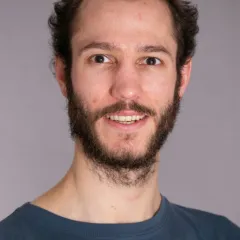
Baptiste Balanca
Baptiste Balanca, assistant clinical director of anesthesia and intensive care at Lyon University Hospital and researcher in neuroscience
Baptiste Balanca graduated from the Inserm Liliane Bettencourt School and the 2018 Bettencourt-Inserm CCA program. He specializes in brain lesions following severe head trauma. During his PhD research, he worked on the effects of "depolarizing" currents on brain homeostasis following an experimental head injury. Pervasive depolarization is a biomarker of severity and a characteristic of the start of new brain damage. His research project decodes the pathophysiology of head trauma.
In a pre-clinical part, Dr. Balanca is interested in cerebral metabolism during acute brain injury. He evaluates the effects of therapeutic agents used in intensive care to better understand which ones improve brain dysfunction. Using a clinical approach, he also studies depolarizing currents in intensive-care patients with severe brain injury. Systematic monitoring of these streams would allow implementation of earlier management algorithms.
His project is part of the Translational and Integrative Research in Epilepsy unit at the Lyon Neuroscience Research Center.
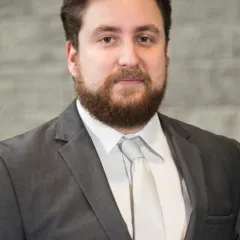
Boris Chaumette
Boris Chaumette, doctor and researcher at the Psychiatry and Neurosciences Center, Sainte-Anne University Medical Center
Boris Chaumette graduated from the Inserm Bettencourt CCA program in 2018. His dual clinical/research career began when he was admitted to the Liliane Bettencourt Inserm School. During his medical internship, he wrote his thesis on the biology of psychotic disorders.
Dr. Chaumette is interested in identifying the biological factors involved in the psychotic transition to schizophrenia. He studies evolutive biological abnormalities, including changes in gene expression, at each stage of the disease. His research will make it possible to propose early interventions and specific therapies for each phase of the disease. Dr. Chaumette is also working on the identification of rare variants of schizophrenia. Using current molecular knowledge to identify them will improve patient management.
The Psychiatry and Neurosciences Center, Sainte-Anne University Medical Center, hosts Dr. Chaumette’s research. His consultations take place at the Saint-Anne Rare Disease Reference Centre.
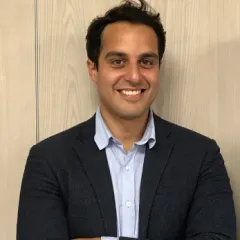
Charles Laidi
Charles Laidi, assistant clinical director in the adult psychiatry department at the Mondor University Hospital Center
A 2018 graduate of the Bettencourt-Inserm-CCA program, Charles Laidi turned to research after his medical studies in psychiatry. Affected by his patients’ psychological suffering, he wants to understand their pathologies better, both to help them and to contribute to the destigmatization of mental illness.
At the Mondor Biomedical Research Institute, Dr. Laidi studies the relationship between the cerebellum and two pathologies: schizophrenia and autism. The cerebellum contains more than half of the brain's neurons and is involved in a wide variety of cognitive processes such as working memory, emotional processing and social cognition. Some models suggest that an alteration of the cerebellum could explain certain clinical dimensions of schizophrenia and autism.
Dr. Laidi assesses the correlations between the cerebellum’s structural and functional anatomy and the clinical aspects of schizophrenia and autism. To do that, he has access to data from a cohort of American patients. In partnership with the CEA’s Neuropin center, he also studies the effectiveness of a non-invasive cerebellar stimulation therapy called direct current stimulation.
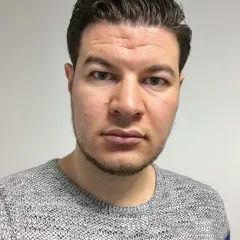
Zine Eddine Kherraf
Zine Eddine Kherraf, researcher, Institute for the Advancement of Genetic, Epigenetic and Infertility Therapies
A graduate of the Bettencourt-Inserm CCA program, Zine Eddine Kherraf is interested in reproductive medicine. He works in an infertility genetics hospital laboratory at the Institute for the Advancement of Biosciences in Grenoble.
His PhD work prompted him to study severe genetic defects in spermatogenesis leading to male infertility. Identifying the genes involved in fertility defects has led to an understanding of their function and molecular and cellular pathogenesis. In his clinical research project, Dr. Kherraf aims to identify and characterize new genetic causes of non-obstructive azoospermia, a severe form of male infertility. New sequencing technology and mouse models with specific genetic mutations will improve the understanding of these mutations and the diagnosis of infertile patients.
Dr. Kherraf also works at the Grenoble University Hospital. He participates in the evolution of the genetic diagnosis of infertility. The transfer of his findings to the hospital sector will improve the way infertility is managed.
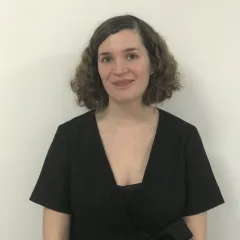
Bénédicte Oulès
Bénédicte Oulès, dermatologist, Cochin Institute
Liliane Bettencourt Inserm School graduate Bénédicte Oulès interrupted her medical studies several times to train in scientific research. She did a master's degree in science and a PhD in cell biology at the Necker Institute for Sick Children in Paris. She took time off from her dermatology internship to pursue a post-doctoral degree at King's College London. In Professor Fiona Watt's laboratory, Dr. Oulès did research on maintaining the balance between the pilosebaceous follicle, a small anatomical formation in the skin that contains the sebaceous glands, and the cavity where it originates.
Her scientific project as CCA directly follows this line of research. The dermatologist has joined Dr. Pierre-Olivier Couraud's skin biology team at the Cochin Institute to decode the molecular basis of skin dysfunctions in hidradenitis suppurativa, also known as Verneuil’s disease.
In her clinical work at the Cochin Hospital’s dermatology department, Dr. Oulès specializes in tumor dermatology and dermatology of adnexal inflammatory pathologies, i.e. those affecting the space between the uterus and the pelvis.
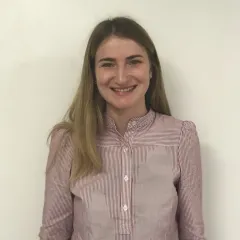
Laura Polivka
Laura Polivka, dermatologist
Laura Polivka is a dermatologist. Her research project as a CCA in Professor Olivier Hermine’s laboratory at the Imagine Institute in Paris involves mastocytosis and pediatric-onset mast cell activation syndromes. Dysfunctional mast cells in the immune system characterize these rare, potentially very severe diseases.
Dr. Polivka already has extensive expertise in the field. For her PhD, she demonstrated that in 90% of patients, a genetic mutation of mastocytosis was associated with a spontaneous regression of lesions during adolescence. While carrying out her research, Dr. Polivka maintained a clinical activity at Necker Children’s Hospital, spending one half-day per week seeing young patients with mastocytosis and mast cell activation syndromes. The Bettencourt-Inserm-CCA allows her to continue these two mutually beneficial practices.
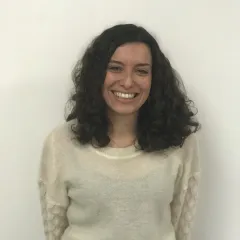
Lina Benajiba
Lina Benajiba, blood cancer researcher, Saint-Louis Hospital Clinical Research Center in Paris
Lina Benajiba specializes in blood cancers, allowing her to practice medicine on the border with science. She trained in both fields at the Liliane Bettencourt Inserm School. Today’s blood cancer therapies are very limited. Inspired by her patients, Dr. Benajiba seeks to enhance them through translational research.
She completed her PhD in a Harvard-affiliated laboratory co-directed by a team at the Imagine Institute in Paris. During her four years of PhD research, she explored in detail the pathophysiological mechanisms of acute myeloid leukemia, a blood cancer with a very poor prognosis. She demonstrated the dependency of leukemia cells on certain key cellular processes such as cell differentiation, breaking new ground to fight the disease.
The Bettencourt-Inserm-CCA program allows Dr. Benajiba Benajiba to split her time between the Saint-Louis Hospital Clinical Research Center in Paris and Dr. Alexandre Puissant’s Inserm laboratory. In her research, she uses a trailblazing program to explore conditions in the bone marrow microenvironment that promote the growth of acute myeloid leukemia and chemo resistance. Dr. Benjiba hopes that future discoveries of new therapeutic targets can be applied to patients as soon as possible.
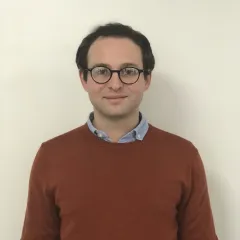
Thomas Bienvenu
Thomas Bienvenu, physician, researcher, Magendie Neurocentre
A 2019 graduate of the Bettencourt-Inserm-CCA program, Thomas Bienvenu obtained a PhD at Oxford University after his time at the Liliane Bettencourt Inserm School. His work marked a turning point in the study of the neural circuits of emotions.
His CCA project creates continuity between his PhD findings, the advanced in vivo study techniques he learned as a post-doctoral fellow and his psychiatric residency, when he treated patients with chronic, disabling pathologies affecting the emotions. Dr. Bienvenu devotes two full-time weeks a month to his clinical responsibilities at the Regional Reference Center for Anxiety and Depression at the Charles Perrens Hospital in Bordeaux. He also teaches in a medicine-science dual degree program that he has coordinated in Bordeaux since 2017.
His Bettencourt-Inserm-CCA position allows him to devote the other two weeks to his research at the Magendie Neurocentre, which focuses on the medial prefrontal cortex, a brain structure, well connected to the amygdala, necessary for learning and emotional expression that causes anxiety disorders when dysfunctional. Dr. Bienvenu hopes the project will give him a deeper understanding of the neural circuitry in the prefrontal cortex, which is essential for the development of precision therapies to manage severe, complex anxiety disorders and drug-resistant depression.

Marie-Gabrielle Duperron
Integrative and Genetic Epidemiology of Cerebral and Vascular Aging Team-VINTAGE, Bordeaux Population Health Research Center (BPH), Inserm U1219, University of Bordeaux
Marie-Gabrielle Duperron is a public health physician and geriatrician with a PhD in public health. In the Liliane Bettencourt Inserm School’s dual medical-scientific degree program, she completed a master's in neuroscience/neuroimaging followed by a master's and a PhD in epidemiology. She works on neurodegenerative and vascular pathologies using high-dimensional data analysis. She wrote a public health thesis at the University of Bordeaux on the genetic determinants of perivascular dilated spaces.
During her clinical training, the Bettencourt-Inserm-CCA program allows Dr. Duperron to divide her time evenly between clinical activity in Bordeaux University Hospital’s memory consultation and outpatient unit and research with the Bordeaux Population Health Research Center’s VINTAGE team.
Her research project aims to better understand the underlying mechanisms of small artery disease (SAD). Dr. Duperron wants to identify SAD biomarkers, which will help identify therapeutic targets and develop prevention programs to slow down its progress and thus avoid or delay the occurrence of stroke, cognitive decline or dementia.
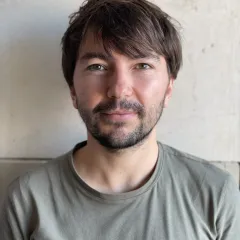
Maxime Gauberti
Maxime Gauberti, radiologist, Physiopathology and Neurological Disorders Imaging Group/INSERM U1237, GIP Cyceron, Caen
Radiologist Maxime Gauberti defended his PhD on molecular and cellular aspects of biology in 2012. He obtained a dual degree in medicine and science from the Liliane Bettencourt Inserm School. Throughout his research career in Professor Denis Vivien’s laboratory in Caen, he has focused on neurovascular pathologies and the development of molecular imaging, which allows molecular and cellular events to be viewed non-invasively.
He specializes in interventional and diagnostic neuroradiology at the Caen University Hospital. At the same time, he is developing a research project at the GIP Cyceron and teaching at the Health UFR in Caen.
One of the challenges in studying neurovascular diseases is the availability of non-invasive high-resolution and high-sensitivity imaging systems. In this context, Dr. Gauberti focused on developing a contrast agent for magnetic resonance imaging (MRI). The approach has been successfully used to identify inflammation in several neurodegenerative diseases, strokes, systemic inflammation and multiple sclerosis. This type of imaging has a very high potential for human health: it is as sensitive as other available technology but without the negative effects, i.e. the emission of ionizing radiation.
The goal of his project as CCA is to produce biodegradable super-paramagnetic microparticles and demonstrate their effectiveness for imaging. Studying these new microparticles opens up a new field of research and should lead to the technology’s clinical application in the medium term.
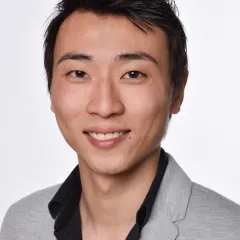
Roger Sun
The ImmunoRadAI team in the UMR 1030 Molecular Radiotherapy, Gustave Roussy Cancer Institute, Villejuif
Artificial intelligence and medical imaging to predict the response to immunotherapy and radiotherapy-immunotherapy combinations. Roger Sun is a radiation oncologist. He interrupted his internship in 2016 to do a master's degree and a PhD in life and health sciences and develop a research project on computational analysis of medical imaging, or radiomics, at the CentraleSupelec Digital Vision Center.
Radiomics is a non-invasive method used to assess a tumor as a whole, monitor its changes during treatment and develop new biomarkers. Dr. Sun's research team uses the technology in the context of cancerous tumors. Immunotherapy has profoundly changed the way many cancers are managed. However, it is desirable to identify patients likely to respond to the treatment (20-50%) to avoid exposing others to the potential side effects of an ineffective treatment.
The Bettencourt-Inserm-CCA program will allow Dr. Sun to split his time between research and hospital activity in Gustave Roussy’s radiotherapy department and be actively involved in teaching and supervising students, which he particularly enjoys.
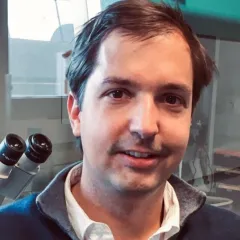
Alexandre de Nonneville
Alexandre de Nonneville, Predictive Oncology Team at the Marseille Cancer Research Center/Inserm U1068, Marseille
Research project: An alternative telomere maintenance (ALT) mechanism in metastatic breast cancer: the search for new molecular pathways and therapeutic targets
Alexandre de Nonneville is a medical oncologist. He defended his medical thesis in 2016 and Master’s of Science in 2017 before undertaking a thesis in molecular biology on Vincent Géli's Telomeres and Chromatin team in Marseille the same year. He completed his training in basic and translational research in Roger Reddel’s laboratory at the Children's Medical Research Institute in Sydney.
The support of the Inserm-Bettencourt CCA program will allow Dr. de Nonneville to continue his research on the alternative telomere maintenance mechanism (called ALT) in parallel with his clinical activities in the Paoli-Calmettes Institute’s medical oncology department in Marseille. ALT allows cancer cells to escape senescence and acquire the ability to spread indefinitely. Observed in 10-15% of cancers, it is a valuable, untapped potential therapeutic target. The supported project aims to study ALT in metastatic breast cancer, a highly prevalent disease with a poor prognosis. Dr. de Nonneville hopes to improve basic knowledge of the molecular pathways associated with ALT in view of transferring telomere biology to the clinic via the development of predictive markers and targeted therapies.
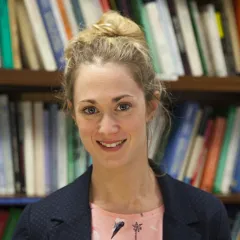
Astrid Chevance
METHODS team at the Epidemiology and Statistical Research Center (CRESS)/ UMR1153, Hôtel-Dieu Hospital, Paris
Research project: Developing and validating a measurement tool to evaluate psychological pain. Prevalence study in people with chronic diseases
Psychiatry intern Astrid Chevance has a PhD in public health. She wishes to develop clinical mental health epidemiology in the METHODS team in Paris. She will lead a clinical project to develop tools to evaluate psychological pain, which researchers overlook even though it is an undeniable daily clinical reality. Psychological pain is an unbearable, long-lasting feeling associated with suicide. Dr. Chevance’s research will contribute to the scientific basis necessary to better take into account the diagnosis and treatment of psychological pain in people with chronic diseases. In parallel to her research, she will see psychiatric patients at the Saint Anne University Hospital in Paris.
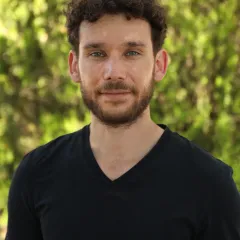
Vivien Szabo
Physiopathology of synaptic transmission team at the Institute of Functional Genomics/Inserm U1191/CNRS UMR5203, University of Montpellier
Research project: The role of microcirculatory involvement in delayed cerebral ischemia complicating aneurysmal subarachnoid hemorrhage.
Vivien Szabo is an anesthesiology resident with a PhD in neuroscience. His clinical project will focus on aneurysmal subarachnoid hemorrhage, a serious type of stroke that affects 9 to 10 of every 100,000 people with an average age of 55. The project aims to determine the microvascular network’s role in the formation of ischemic brain lesions appearing a few days after the hemorrhage and to identify the cell populations involved. Dr. Szabo will use different brain imaging techniques to explore a disease with an extremely poor prognosis and a lack of therapeutic strategies. He will spend 50% of his time on clinical activity in the anesthesia and intensive care unit at Gui de Chauliac Hospital in Montpellier.
Find out more about the Foundation's support in life sciences
The Fondation Bettencourt Schueller supports and encourages researchers who contribute to the influence of France in the life sciences. This was the first commitment of the Foundation since its creation in 1987. Although it is mainly oriented towards basic research, its purpose is to improve human health.
See all projects in the field of life sciences